
Built to spec
Built to your engineered drawings, survey, and the real site conditions, not a one-size-fits-all approach forced to fit.
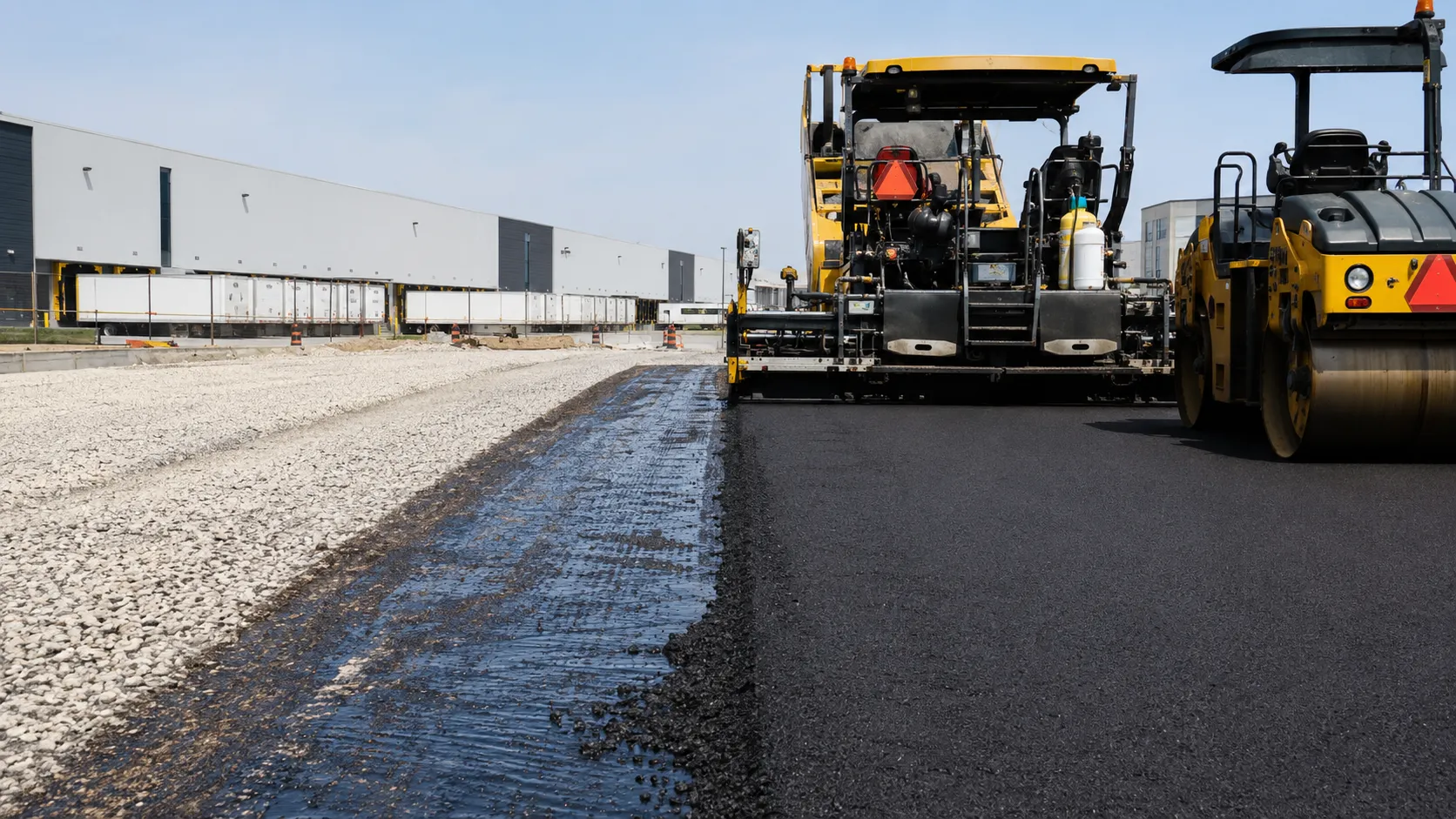
Harrowgate Group clears strip plazas and retail centres across the GTA and Ontario overnight, so the customer lot, the storefront walks, the accessible parking, and the rear loading area are open before the tenants are.
Tell us what you need and we’ll get you a quote. Licensed, insured & WSIB-covered · Free, no-obligation quote & on-site assessment.
Licensed, insured & WSIB-covered · Free, no-obligation quote & on-site assessment.
Built to your engineered drawings, survey, and the real site conditions, not a one-size-fits-all approach forced to fit.
Durable materials and methods chosen for the load, traffic, and environment on site.
Send specs, drawings, or photos and get a free, no-obligation site visit and estimate with no guesswork.
Installation and site work completed in accordance with Ontario requirements.
Plaza and retail snow removal is winter service for strip plazas and retail centres, clearing the customer lot, the storefront sidewalk, accessible parking, and the rear loading area. Harrowgate Group runs these sites overnight across the GTA and Ontario so the property is open and treated before the first tenant unlocks the door.
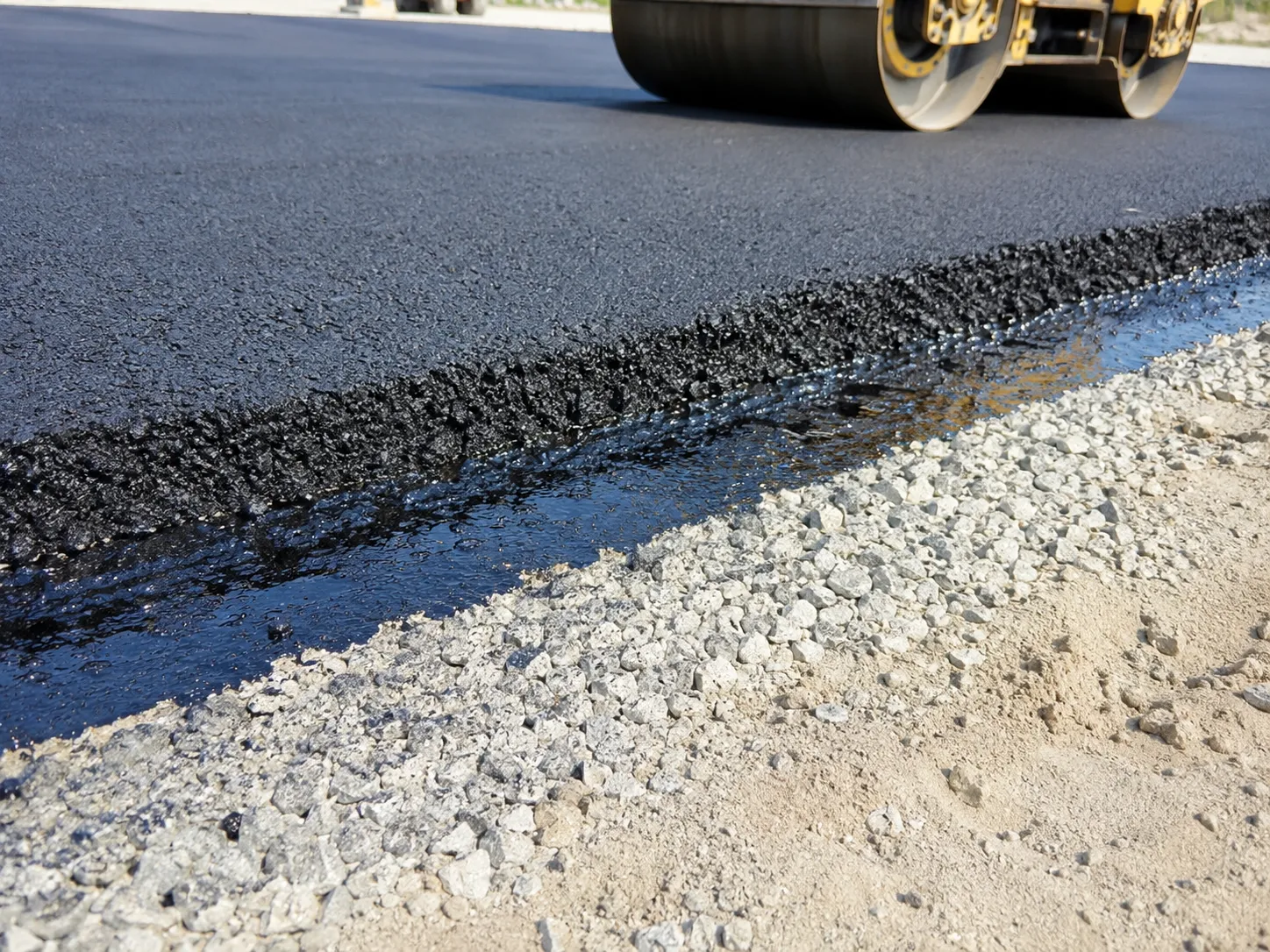
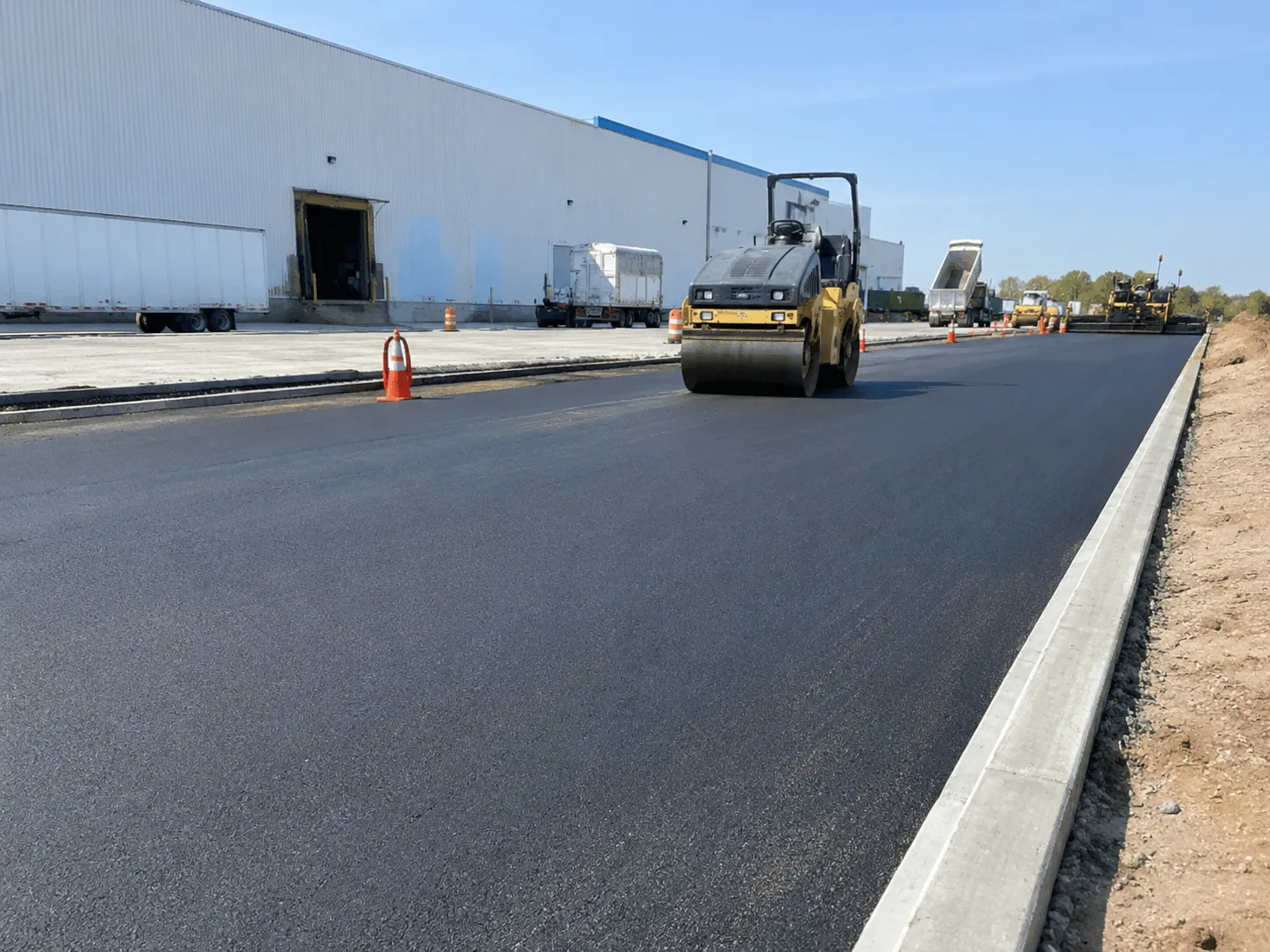
Plazas are mapped in the fall and serviced overnight on a fixed sequence: pre-treat ahead of the forecast, clear the lot, clear the full storefront walk and every entrance, recover the accessible stalls, open the rear loading area, then treat.
The pre-season walk sets the plow pattern and, more importantly, the storage plan. Retail parking is the property's revenue surface, and a careless stacking plan costs the landlord stalls from January onward and puts tenants in front of the manager.
We locate piles where they will not consume the front row, block sightlines at the entrances onto the road, sit on catch basins, or occupy accessible parking. On tight plazas with no usable storage, hauling is planned into the season rather than called as an emergency in February.
The storefront sidewalk is treated as its own scope with its own crew and a lower trigger depth than the lot, because it is continuous, it fronts every tenant, and it is where customers actually fall. We clear the full run, the entrances, and any stairs or ramps, and we treat it after clearing. Rear loading areas and the dock aprons behind the units get cleared so deliveries land on schedule, which is the complaint that reaches the landlord fastest after parking.
Every visit is logged with the trigger, arrival and departure times, areas cleared, and material applied, which is what a landlord needs both for tenant cost recovery and for the claim that eventually arrives.
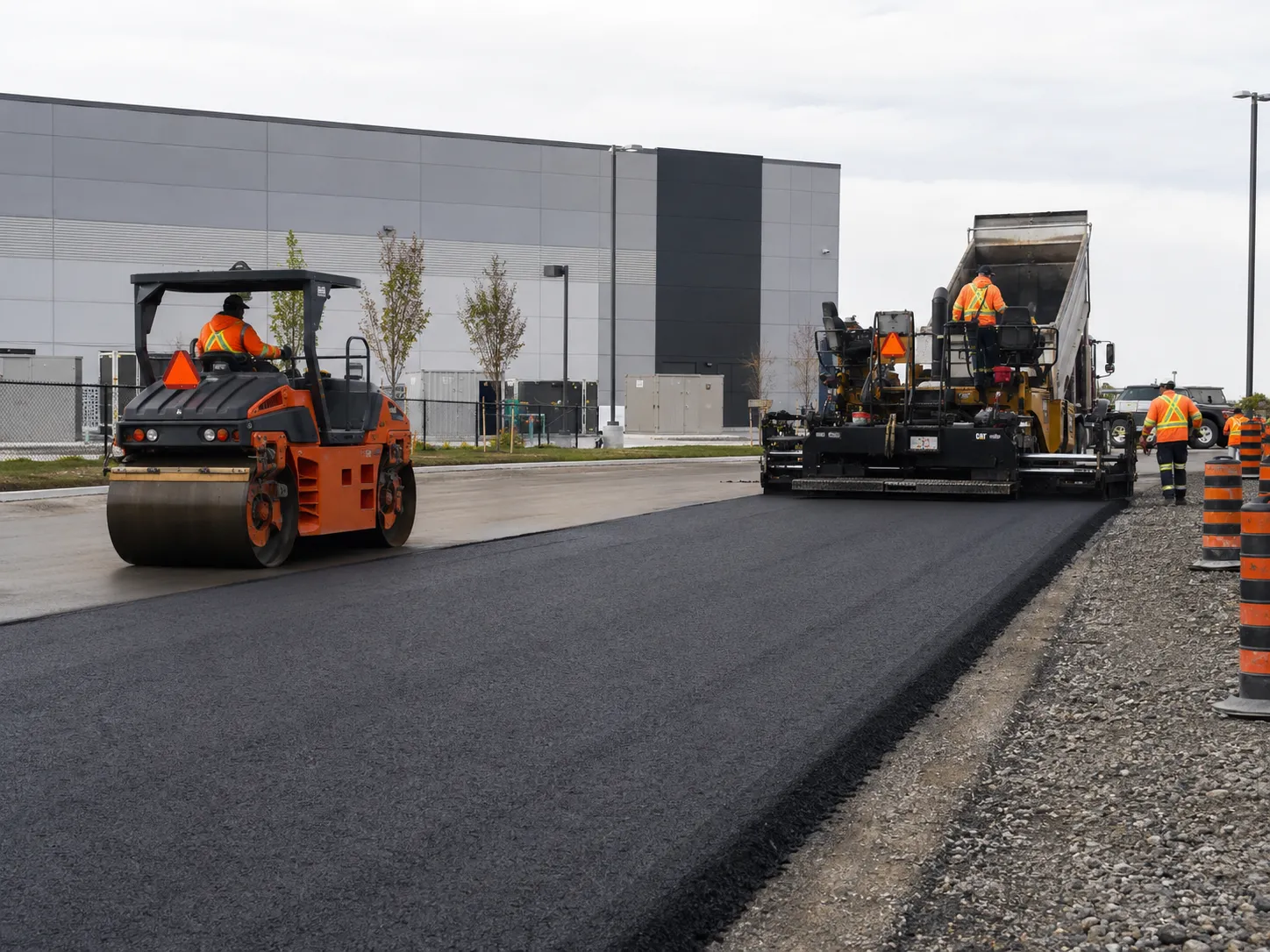
Retail sites usually run an overnight trigger with completion before opening, commonly at 2.5 cm on the lot and a lower or zero tolerance standard on the storefront walk. Sodium chloride is effective to roughly minus 10 degrees Celsius, with magnesium or calcium chloride blends below that.
Anti-icing does the heaviest lifting on retail. Brine applied ahead of a forecast event stops the snow bonding to the pavement, which makes the overnight clear far faster and far more complete, and that is the difference between a lot that is genuinely open at seven and one that is merely plowed.
Accessible parking and the barrier-free path to the storefront have to be maintained under the Accessibility for Ontarians with Disabilities Act, so accessible stalls are cleared as a priority and are never used for storage. The public sidewalk fronting the plaza falls under the municipal clearing bylaw, which in Toronto requires clearing within 12 hours of the snowfall ending and applying sand or salt where the surface stays slippery, with fines attached.
Chloride volumes are managed under the Code of Practice for the Environmental Management of Road Salts, which captures organizations using more than 500 tonnes a year on a five year rolling average or operating in salt vulnerable areas.
Application rates are calibrated to pavement temperature. Over-salting a plaza is expensive, it tracks into tenant units on customers' feet, it damages the landscaping along the islands, and it accelerates scaling on concrete walks and curbs the landlord will be replacing sooner as a result.

Retail winter service fails on timing, on stall count, and on the storefront walk, and every one of those failures reaches the landlord through a tenant.
Late completion. An oversold route means the plaza gets serviced when a truck frees up, which on a retail site means after opening. Routes are sized to committed equipment so the overnight window is real.
Lost parking. Snow stacked in the front row by January is a direct hit to tenant traffic. Storage is mapped in the fall and hauling is scheduled before the site runs out of room, not after.
The storefront walk. Doing the lot and leaving the walk for later is how customers fall in front of a tenant's door. The walk runs on its own crew at its own trigger, at the same time as the lot.
Refreeze at dawn. Meltwater running off piles or off the roof across a walkway freezes as temperatures drop before opening. Storage is placed to drain to a basin, and problem downspouts and low spots identified in the fall get treated proactively.
No record. Section 6.1 of Ontario's Occupiers' Liability Act requires written notice within 60 days of a snow or ice injury, served on the occupier or on the snow contractor. On a retail site with heavy public traffic that notice arrives more often than anywhere else, and a time-stamped log of every visit is the answer to it.
Have drawings for plaza and retail snow removal? Send them over and we will scope it.
Overnight, with completion before the first tenant opens. The plan is built backwards from opening time: pre-treat ahead of the event, dispatch overnight, clear the lot and the storefront walk in one window, recover accessible stalls, open the rear loading area, then treat before dawn refreeze.
The landlord contracts the work and typically recovers it through common area maintenance under the leases. That is exactly why the service record matters: clean, itemized documentation of every event is what makes the recovery defensible when a tenant questions the charge.
Storage locations are mapped during the fall site walk, kept off the front row, catch basins, sightlines, fire routes, and accessible stalls. When the piles start costing the property parking or sending meltwater across the drive aisle, the snow is loaded and hauled off site rather than restacked.
Yes, as its own scope with its own crew and usually a lower trigger depth than the lot. The full run, the entrances, and any stairs or ramps are cleared at the same time as the parking and treated after clearing, because that is where customers actually fall.
Yes, and they change the sequence because both operate before the rest of the plaza. Drive-through lanes are cleared and treated as a priority element, and rear docks and loading aprons are opened so early deliveries land on schedule.
Under the Accessibility for Ontarians with Disabilities Act, accessible parking and the barrier-free path to the entrance have to be maintained. In practice that means accessible stalls are cleared as a priority, the path to the storefront is kept clear and treated, and no accessible stall is used for snow storage.
The occupier carries the duty under Ontario's Occupiers' Liability Act, and section 6.1 requires written notice within 60 days of a snow or ice injury, served on the occupier or on the snow contractor. Both are in the chain, and documented service records determine how it resolves.
A site plan or aerial and the address. Lot area, the length of the storefront walk, entrance count, whether there is usable storage on site, tenant opening times, drive-through and loading arrangements, and any history of ice complaints let us price it accurately.
Still have a question about plaza and retail snow removal? Ask our team directly.
Commercial and heavy-civil construction delivered for developers, contractors, property managers, and municipalities.
Send drawings, a site plan, or a description of the scope. Harrowgate Group is licensed, insured, and WSIB-covered.
Licensed, Insured & WSIB-Covered, work managed and documented on every job
Tell us what you need and we’ll get you a quote. Licensed, insured & WSIB-covered · Free, no-obligation quote & on-site assessment.
Companies We've Worked With
Harrowgate Group delivers commercial and heavy-civil construction for developers, contractors, institutions, municipalities, and property groups across Ontario.
 Popeyes
  Tim Hortons
  Subway
  University of Toronto
  Madison Group
  RioCan
  Women's College Hospital
  Starbucks
  Mazda
Mazda  TD Bank
  City of Toronto Popeyes Tim Hortons Subway University of Toronto Madison Group RioCan Women's College Hospital Starbucks Mazda TD Bank City of Toronto
 Three fields. We reply with the next step.
Thanks, we will call you shortly.
Press Esc to close
Marcus
Project Coordinator