
Built to spec
Built to your engineered drawings, survey, and the real site conditions, not a one-size-fits-all approach forced to fit.
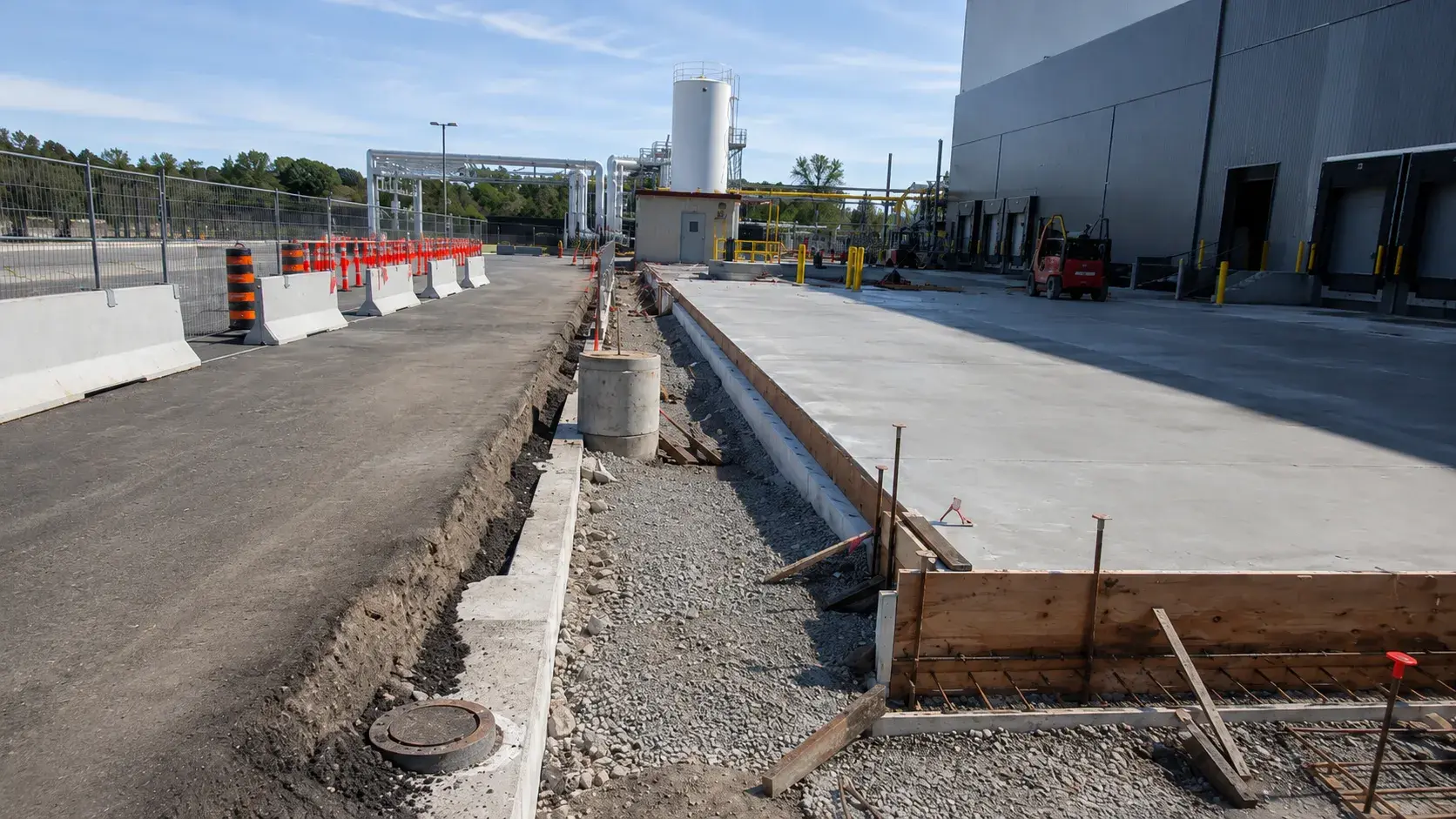
Harrowgate Group writes winter agreements that fix the service level before the season starts: trigger depths, response windows, priority order, de-icing standard, storage and hauling terms, and the record you receive after every visit.
Tell us what you need and we’ll get you a quote. Licensed, insured & WSIB-covered · Free, no-obligation quote & on-site assessment.
Licensed, insured & WSIB-covered · Free, no-obligation quote & on-site assessment.
Built to your engineered drawings, survey, and the real site conditions, not a one-size-fits-all approach forced to fit.
Durable materials and methods chosen for the load, traffic, and environment on site.
Send specs, drawings, or photos and get a free, no-obligation site visit and estimate with no guesswork.
Installation and site work completed in accordance with Ontario requirements.
A seasonal snow contract is a written winter agreement setting the service level, the trigger depths, the response window, the clearing priority, the de-icing standard, and the pricing structure for a full season before it starts. Harrowgate Group contracts this way across the GTA and Ontario because an not yet defined scope is what produces every winter dispute.
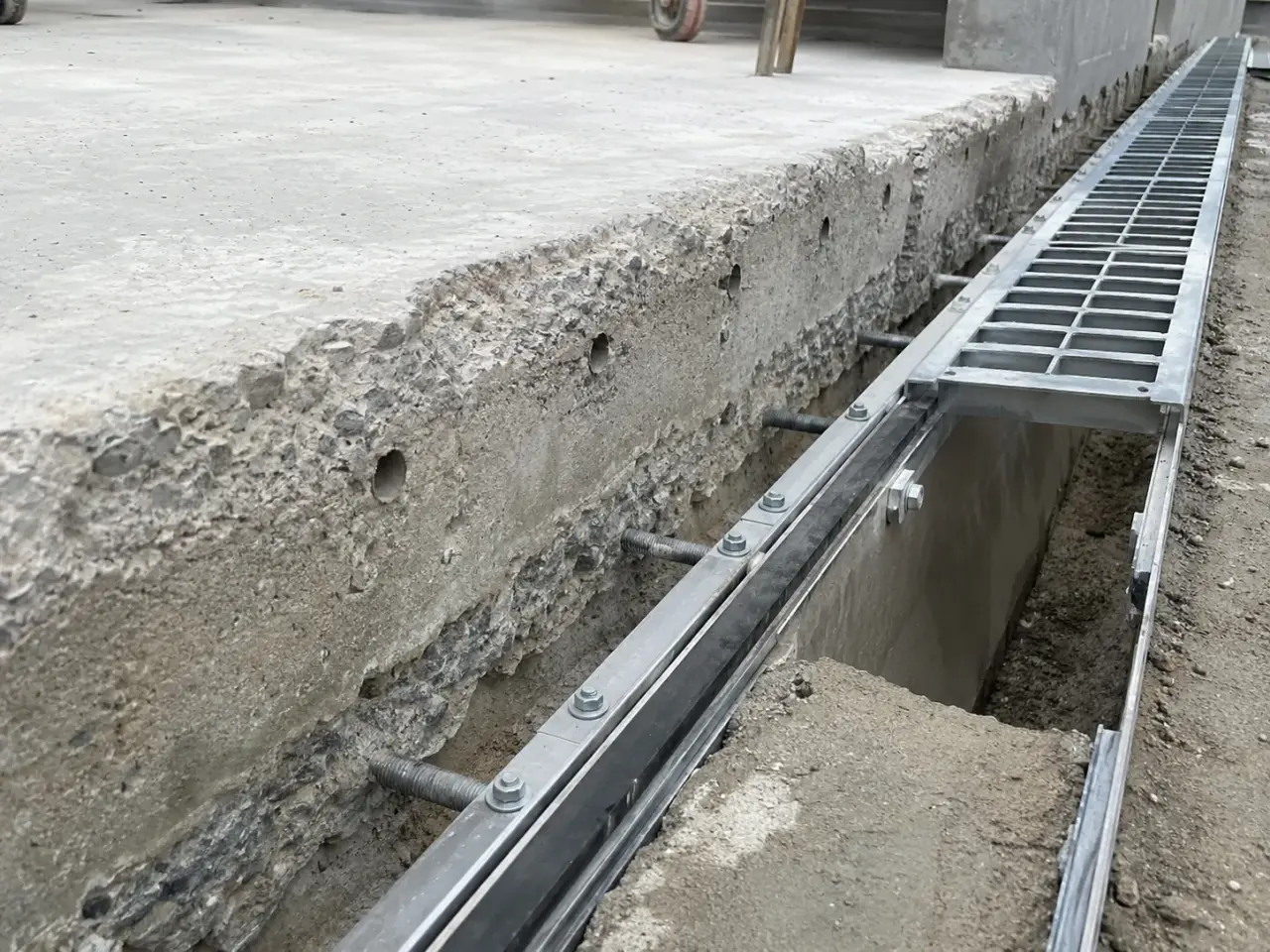
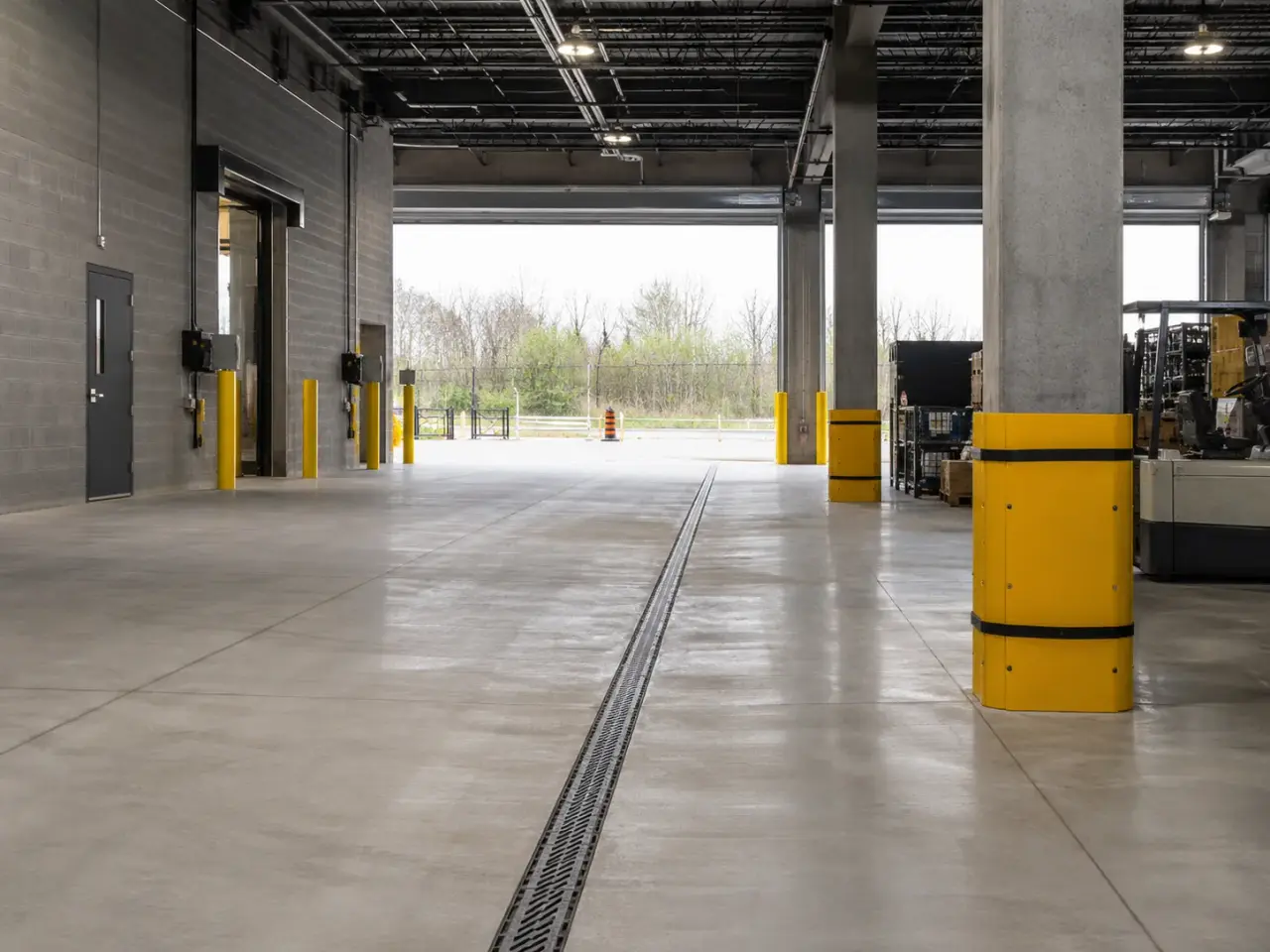
Every agreement names the trigger depths, the response window, the priority order, the de-icing standard, the treatment of long events, snow storage, hauling terms, the reporting you receive, and the season dates.
Trigger depths. The accumulation that dispatches a crew, stated separately for parking and for pedestrian surfaces, since walks and entrances normally run lower than the lot. Fire routes and accessible stalls are typically cleared on every visit regardless of depth.
Response window. How long from trigger to crew on site. This is the number that determines whether a retail lot is actually open at seven, and it is the number most contracts leave out.
Priority order. Which surfaces are cleared in what sequence: entrances, fire routes, accessible parking, drive aisles, walkways, parking rows, loading areas. Written per site, because a distribution yard and a condominium do not share a sequence.
Long events. Whether the site receives continuous service through a storm that runs for a day or more, or a single pass at the end. This has the largest effect on both cost and outcome, and it should never be ambiguous.
De-icing standard. When treatment is applied, on which surfaces, and whether anti-icing ahead of a forecast event is included.
Storage and hauling. Where snow is stacked, and at what point hauling is triggered, priced, and scheduled. On constrained sites hauling belongs in the seasonal scope rather than as a mid-winter surprise.
Reporting. The record issued after each visit and the format it arrives in.
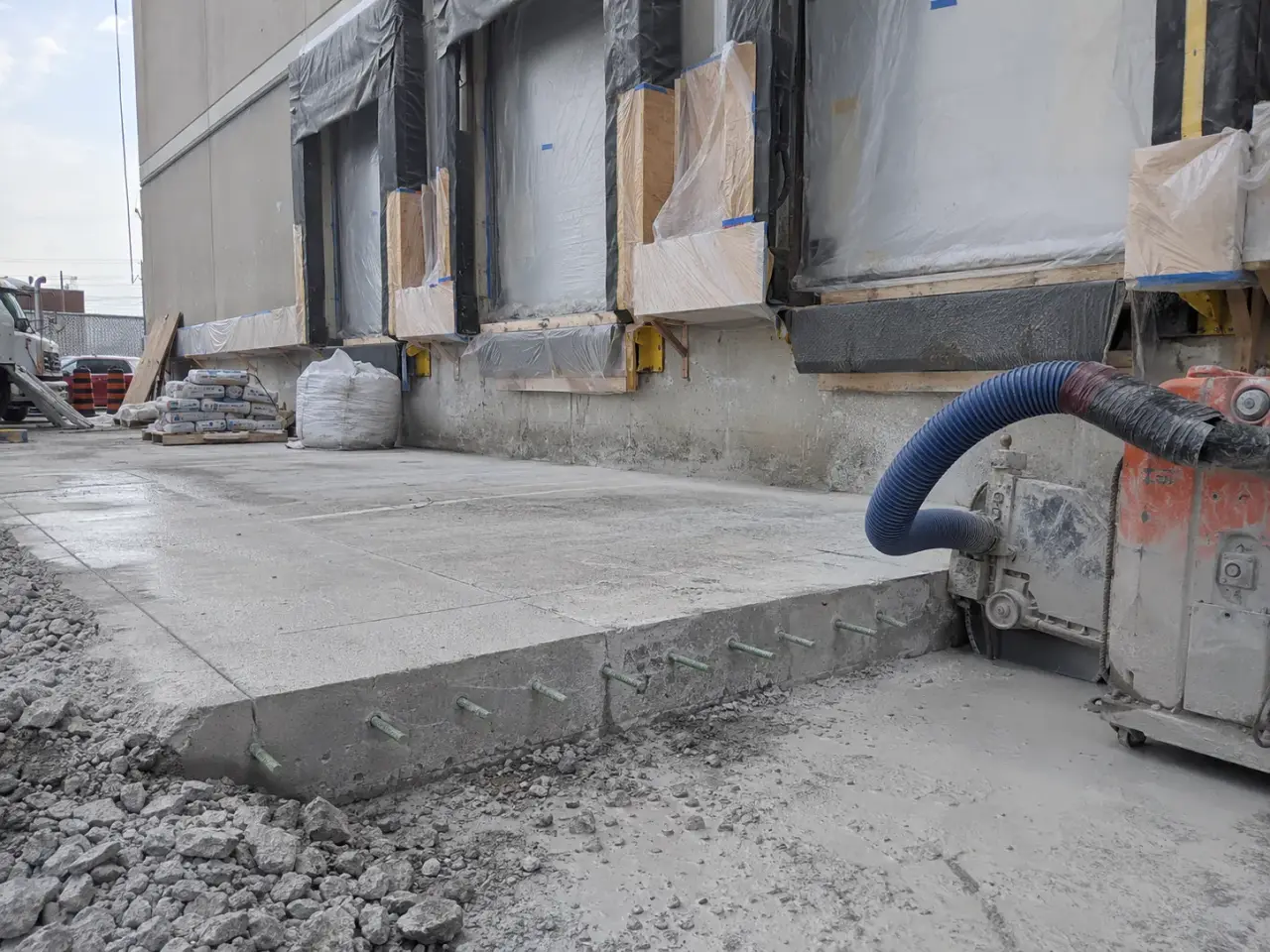
Three structures cover almost every commercial arrangement: seasonal, per-event, and hybrid. Each moves winter-severity risk between the property and the contractor, and none is inherently better.
Seasonal. A fixed cost for the winter regardless of how many events occur. The property gets budget certainty, which is why it suits condominium corporations working to an approved budget, institutions, and any owner reporting to a board. The contractor carries the severity risk.
Per-event. Billed per service visit, usually banded by accumulation. Costs track actual activity, which suits properties that can absorb variance and prefer to pay for what happened. The property carries the severity risk.
Hybrid. A base seasonal amount covering an expected range with per-event billing beyond it, or a seasonal price with a cap. This splits the risk and is common on larger portfolios.
Whichever structure is used, it has to be priced against the same written service level or the comparison is meaningless. A per-event quote with a 5 cm trigger and a seasonal quote with a 2.5 cm trigger and continuous service are not competing offers for the same thing.
Two Ontario obligations belong in the agreement rather than being assumed. Section 6.1 of the Occupiers' Liability Act requires written notice within 60 days of a snow or ice injury, served on the occupier or on the contractor hired to clear the site, so the record-keeping standard should be a contractual term.
And the Accessibility for Ontarians with Disabilities Act requires accessible parking and the barrier-free path to the entrance to be maintained, so accessible routes belong in the named priority order and storage locations must exclude them.
The failure modes are all the same shape: something material was never written down, and the property finds out during a storm.
No trigger depth. The contractor decides, every time, and the property has no basis to challenge it.
No response window. Service arrives whenever the route reaches you, which on an oversold route is after opening.
Long events unaddressed. The property assumed continuous service and the contractor priced one pass. Both believed they were right.
Hauling excluded silently. The piles grow, the site fills, and the removal is quoted mid-winter at whatever the market is charging that week.
No reporting obligation. The property discovers there are no records at the moment a claim arrives, which is precisely when the 60-day notice period under the Occupiers' Liability Act is already running.
Comparing incomparable quotes. The cheapest tender usually assumed the least service. Requiring every bidder to price the same written specification is the only way to compare fairly, and we encourage it even when we are one of the bidders.
Have drawings for seasonal snow contracts? Send them over and we will scope it.
Neither is inherently better; they move winter-severity risk in opposite directions. Seasonal gives budget certainty and suits corporations and institutions reporting to a board. Per-event tracks actual activity and suits owners who can absorb variance. Hybrid structures split the risk. All three should be priced against the same written service level.
Trigger depths for parking and for pedestrian surfaces, the response window, the priority order across the site, how long events are handled, the de-icing standard, snow storage locations, hauling terms and when they trigger, the reporting you receive, and the season start and end dates.
Require every bidder to price the same written specification. Quotes with different trigger depths, response windows, or long-event assumptions are different products, and the cheapest is usually the one that assumed the least service. A specification-based tender is the only way to compare line by line.
Late summer to early fall. Awarding by September or early October leaves time for the pre-season site walk, staking, route mapping, and material staging that make the first event go properly. It also fits the budget cycle for corporations approving a seasonal amount in advance.
On constrained sites, yes. Sites that predictably run out of storage should have hauling scoped, scheduled, and priced in the fall rather than quoted mid-winter when every property in the region needs trucks at once. On sites with ample storage it can sit as a defined call-off item.
They should be explicit in the contract, because early November and late March events are real and an not yet defined season is where disputes about coverage begin. Spring cleanup, including sweeping leftover material and sand, belongs in the same scope.
Yes. Section 6.1 of Ontario's Occupiers' Liability Act allows an injured party 60 days to serve written notice on the occupier or the snow contractor, and by then the records either exist or they do not. Making the reporting standard and format a contractual obligation is straightforward protection.
Yes. Portfolio agreements set one written standard across the book with a site-specific plan per property and consolidated reporting, priced per site and rolled up to a total. See Property Management Snow Removal for how multi-site accounts are structured and routed.
Still have a question about seasonal snow contracts? Ask our team directly.
Commercial and heavy-civil construction delivered for developers, contractors, property managers, and municipalities.
Send drawings, a site plan, or a description of the scope. Harrowgate Group is licensed, insured, and WSIB-covered.
Licensed, Insured & WSIB-Covered, work managed and documented on every job
Tell us what you need and we’ll get you a quote. Licensed, insured & WSIB-covered · Free, no-obligation quote & on-site assessment.
Companies We've Worked With
Harrowgate Group delivers commercial and heavy-civil construction for developers, contractors, institutions, municipalities, and property groups across Ontario.
 Popeyes
  Tim Hortons
  Subway
  University of Toronto
  Madison Group
  RioCan
  Women's College Hospital
  Starbucks
  Mazda
Mazda  TD Bank
  City of Toronto Popeyes Tim Hortons Subway University of Toronto Madison Group RioCan Women's College Hospital Starbucks Mazda TD Bank City of Toronto
 Three fields. We reply with the next step.
Thanks, we will call you shortly.
Press Esc to close
Marcus
Project Coordinator