
Built to spec
Built to your engineered drawings, survey, and the real site conditions, not a one-size-fits-all approach forced to fit.
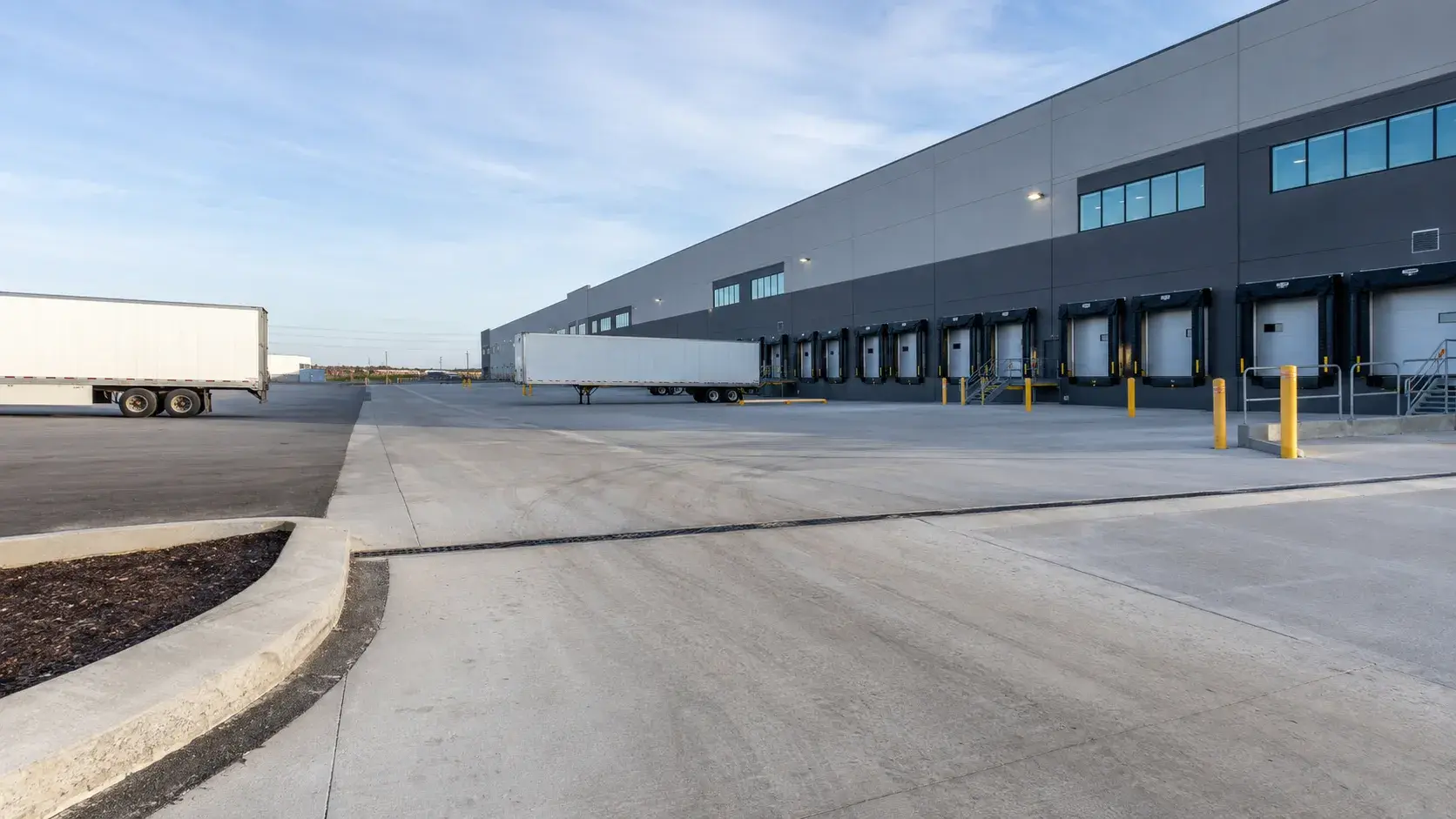
Harrowgate Group keeps industrial and distribution property moving through the winter across the GTA and Ontario, clearing truck routes, dock aprons, yards, and gates overnight so trailers keep docking and freight keeps leaving.
Tell us what you need and we’ll get you a quote. Licensed, insured & WSIB-covered · Free, no-obligation quote & on-site assessment.
Licensed, insured & WSIB-covered · Free, no-obligation quote & on-site assessment.
Built to your engineered drawings, survey, and the real site conditions, not a one-size-fits-all approach forced to fit.
Durable materials and methods chosen for the load, traffic, and environment on site.
Send specs, drawings, or photos and get a free, no-obligation site visit and estimate with no guesswork.
Installation and site work completed in accordance with Ontario requirements.
Industrial snow removal is winter service for industrial, warehouse, and distribution property, clearing truck routes, dock aprons, trailer yards, gates, and staff parking. Harrowgate Group runs these sites across the GTA and Ontario with heavy equipment and continuous service through an event, because the cost of a closed yard is measured in trucks, not in complaints.
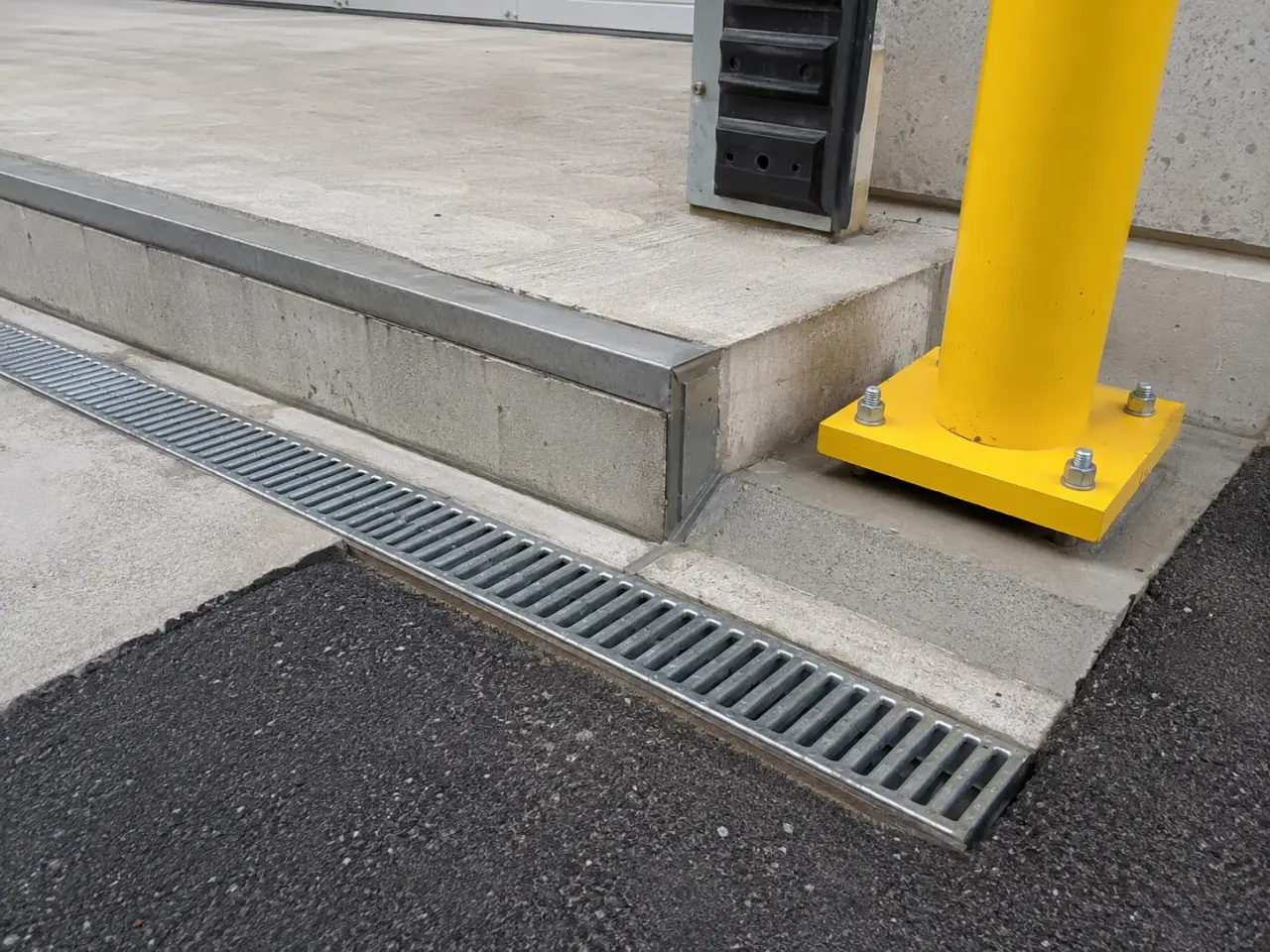
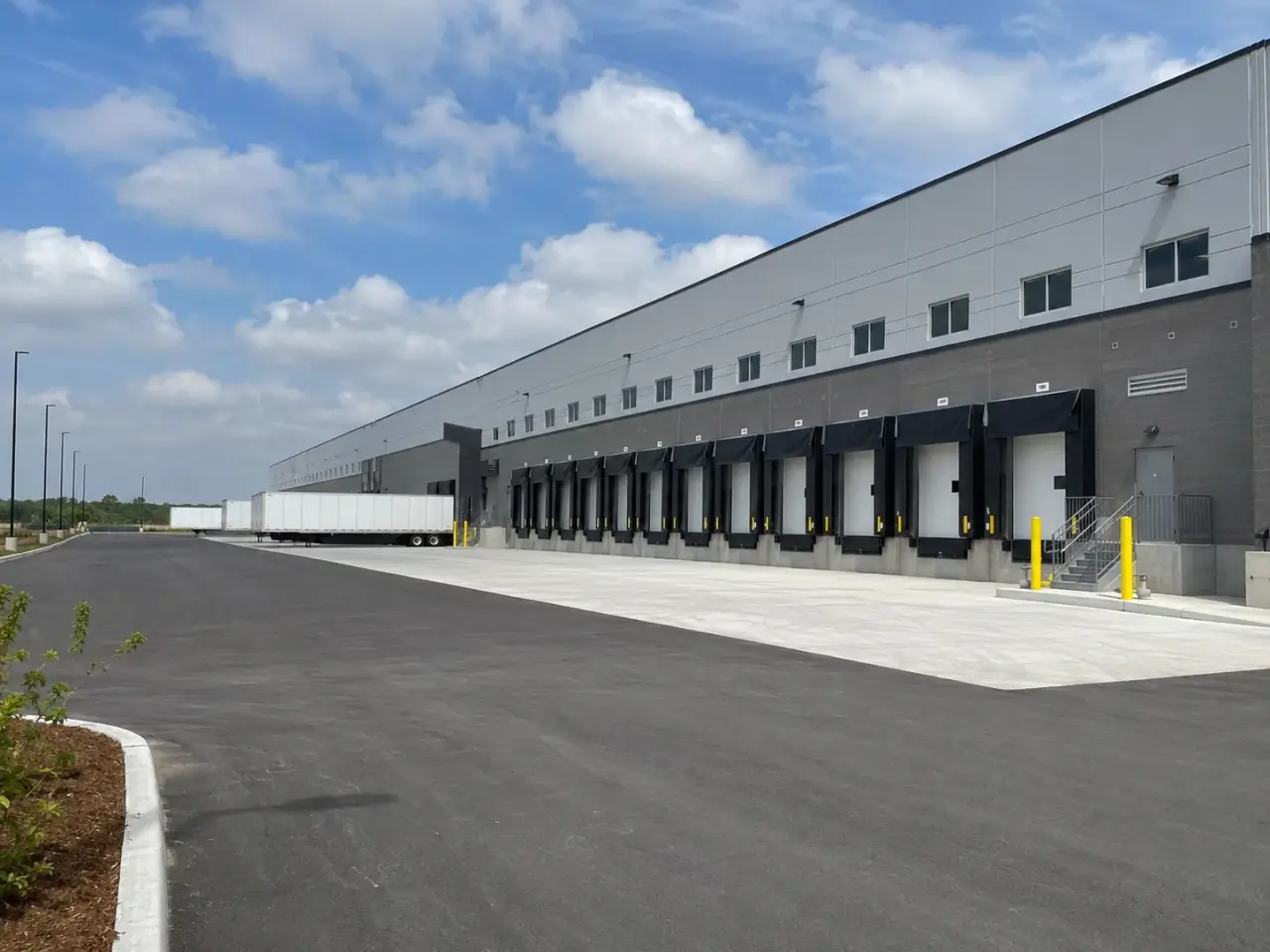
Yards are mapped in the fall, assigned heavy equipment, and serviced continuously through an event on a sequence that puts truck routes and dock aprons first.
The pre-season walk maps the operating pattern, not just the pavement: which gates are used at which hours, how trailers circulate, which docks are live overnight, where staff park, and where snow can be stacked without eating trailer stalls or blocking the shunt route. On a large yard, storage is a serious constraint, and it is planned with hauling built in from the start.
Equipment is sized to the surface. Loaders with large box pushers move volume across open yard areas far more efficiently than trucks can, and they carry snow to storage instead of pushing it repeatedly. Heavy plow trucks run the truck routes and internal roads. Skid steers work the dock faces, the areas between parked trailers, and around bollards and dock equipment where a large machine causes damage.
Dock aprons are their own priority. The apron is where a trailer's landing gear sits and where staff work on foot between the trailer and the building, so it is cleared to the surface and treated, not just pushed.
Gates, guard house approaches, and the yard entrance from the road are cleared at every visit so nothing bottlenecks at the access point. Service is continuous through a long event, with crews cycling the site rather than making one pass at the end, and each visit is logged.
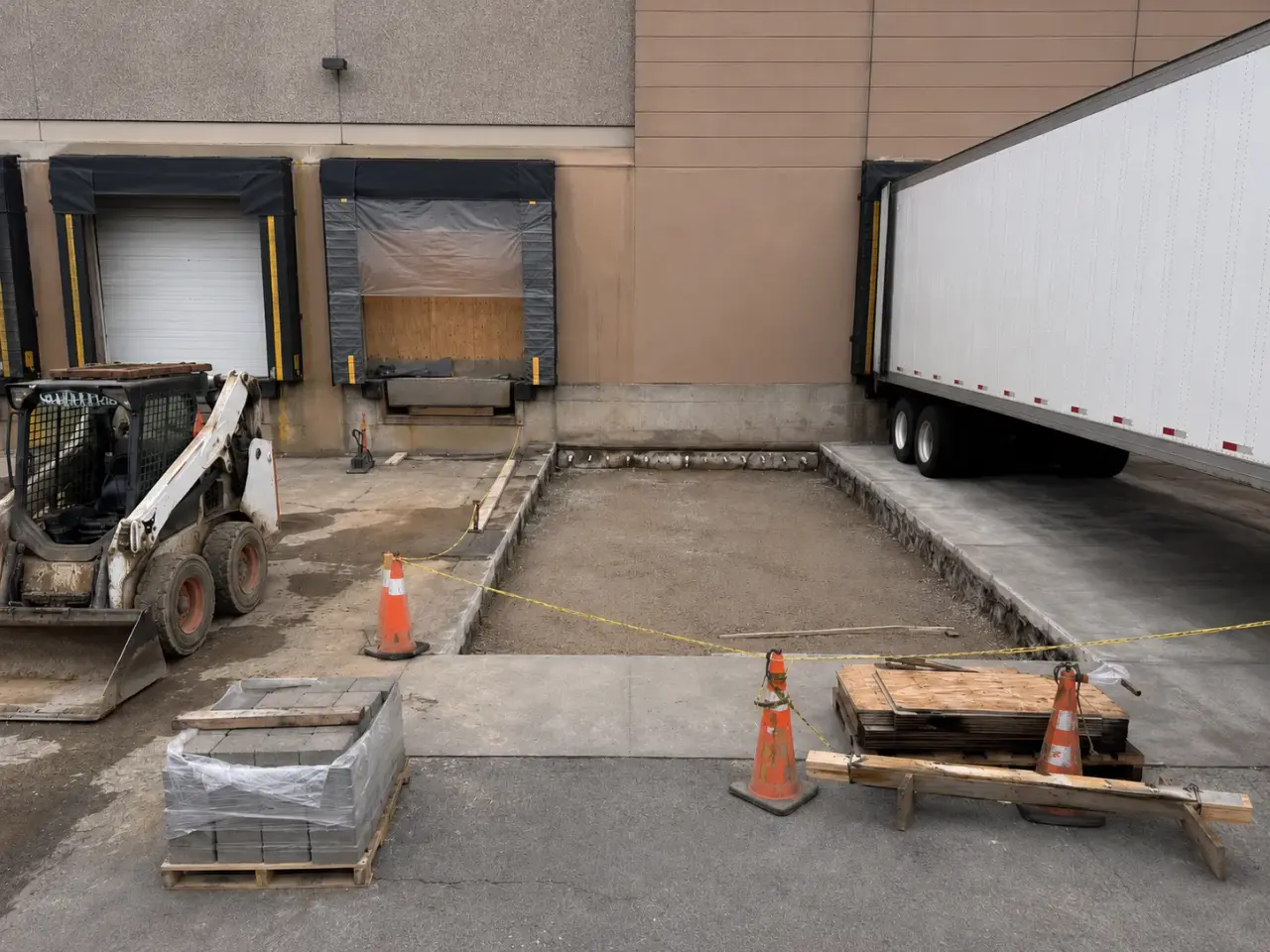
Industrial sites usually run a lower trigger and continuous overnight service because operations do not stop. Sodium chloride is effective to roughly minus 10 degrees Celsius; colder events move to magnesium or calcium chloride blends, particularly on dock aprons where footing matters.
Concrete dock aprons take the worst of it. They carry point loads from landing gear, they are walked on constantly, and they are salted heavily, which is the exact combination that drives chloride into reinforcing steel and scales the surface. Application rates are calibrated to pavement temperature and product is selected with the apron in mind rather than blanket salting everything at the same rate.
Chloride volumes on a large yard are significant, and the Code of Practice for the Environmental Management of Road Salts applies to organizations using more than 500 tonnes a year on a five year rolling average and to those operating in salt vulnerable areas. Calibrated spreaders, pre-wetting, and covered storage keep both the cost and the environmental load down.
Accessible parking and the barrier-free path to the entrance have to be maintained under the Accessibility for Ontarians with Disabilities Act, and staff walkways from parking to the building are a genuine injury exposure on a site where hundreds of people arrive at shift change. Fire routes are cleared on every visit.
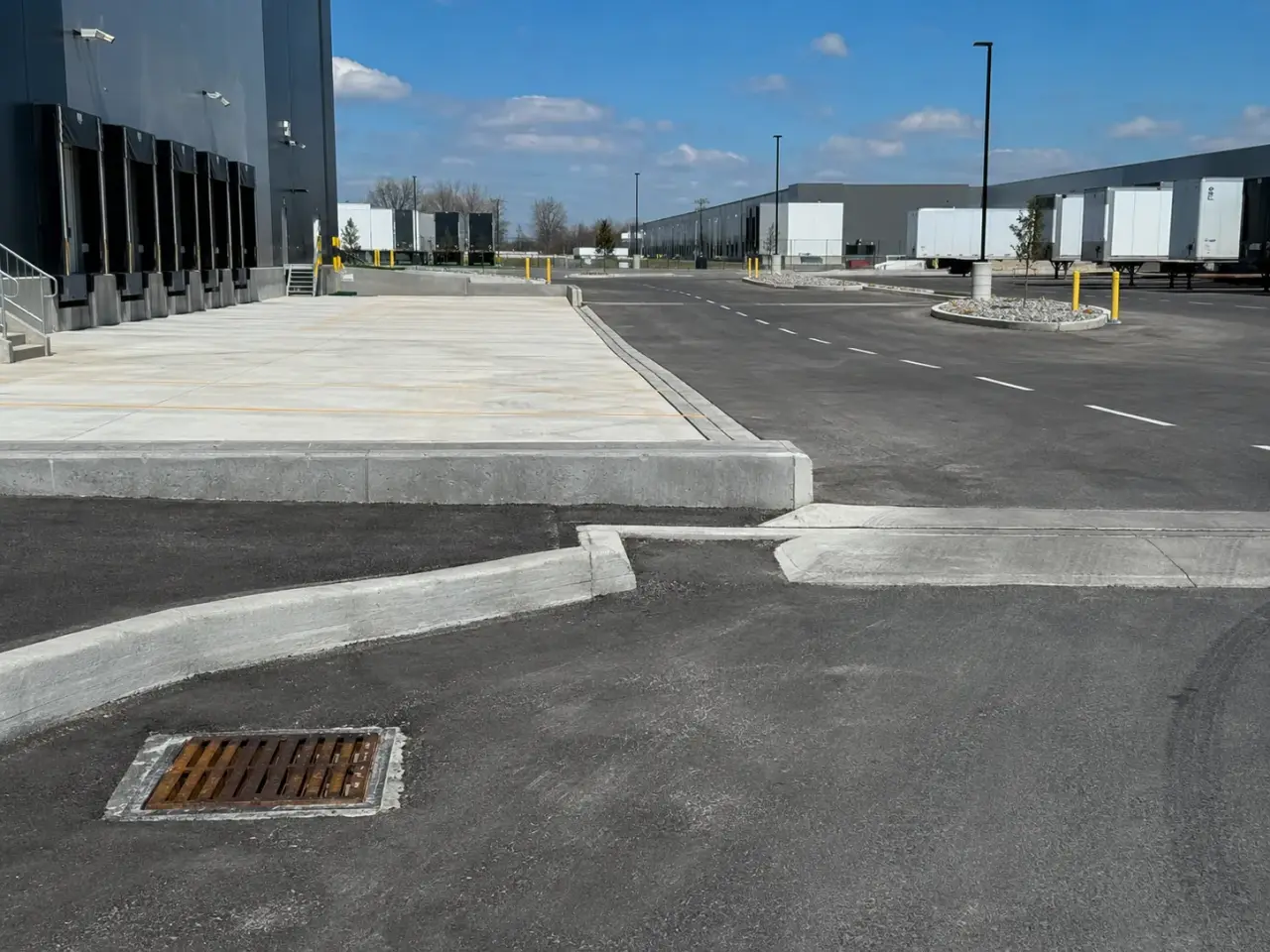
Industrial failures are aprons that were pushed but not cleared, yards that ran out of storage in January, drifting nobody planned for, and service that stopped while the storm continued.
Aprons pushed, not cleared. A blade riding over packed snow on a concrete apron leaves a slick, uneven surface that damages landing gear positioning and puts staff on ice. Aprons are cleared to the surface and treated.
Storage exhaustion. A yard that stacks without a plan loses trailer stalls and shunt room by mid-winter. Storage is mapped in the fall and hauling is scheduled into the season on constrained sites.
Drifting. Open yards drift badly, and a site that was clear at midnight can be closed at six. Sites with known drift patterns get additional passes scheduled during and after wind events rather than a single trigger-based visit.
Single-pass service. One pass at the end of a long storm leaves a packed base under truck traffic that then has to be scraped and treated for days. Continuous service through the event is written into the contract.
No record. Section 6.1 of Ontario's Occupiers' Liability Act requires written notice within 60 days of a snow or ice injury, served on the occupier or on the contractor hired to clear the site, and industrial sites carry heavy pedestrian exposure at shift change and around the docks. Time-stamped logs are the answer.
Have drawings for industrial snow removal? Send them over and we will scope it.
Yes. Most distribution sites run through the night, so service is planned around live docks and trailer movement rather than assuming an empty yard. Crews work sections in coordination with the yard, and truck routes and gates are kept open continuously rather than closed off for clearing.
Aprons are cleared to the surface and treated, not pushed. Landing gear needs a true surface to sit on and staff work on foot between the trailer and the building, so aprons are a named priority element with skid steers working the dock face and material selected with the concrete in mind.
Hauling is planned into the season from the start on constrained sites rather than called as an emergency. Loading and truck cycles are scheduled so the yard keeps its trailer stalls and shunt room through the winter instead of filling up by January.
Sites with known drift patterns get additional passes scheduled during and after wind events, not just on accumulation triggers. An open yard can be clear at midnight and closed by six from wind alone, so the contract accounts for wind-driven drifting separately from snowfall depth.
Yes, and they carry real injury exposure at shift change when large numbers of people arrive at once. Staff parking, the walkways to the building, entrances, and accessible routes are cleared and treated as their own scope alongside the operational areas.
Usually lower than a commercial lot, with continuous service through an event, because operations do not pause. Truck routes, gates, and dock aprons are commonly cleared on every visit regardless of depth, while staff parking may run on a conventional accumulation trigger.
Yes. Aprons take point loads, constant foot traffic, and heavy chloride, which is the combination that drives corrosion in reinforcing steel and scales the surface. Calibrated rates, pre-wetting, and appropriate product selection extend apron life significantly compared with blanket salting.
A site plan or aerial, total pavement area, dock and apron counts, the truck circulation pattern, gate locations and operating hours, staff parking and walkway locations, available snow storage, and any history of drifting or ice problems.
Still have a question about industrial snow removal? Ask our team directly.
Commercial and heavy-civil construction delivered for developers, contractors, property managers, and municipalities.
Send drawings, a site plan, or a description of the scope. Harrowgate Group is licensed, insured, and WSIB-covered.
Licensed, Insured & WSIB-Covered, work managed and documented on every job
Tell us what you need and we’ll get you a quote. Licensed, insured & WSIB-covered · Free, no-obligation quote & on-site assessment.
Companies We've Worked With
Harrowgate Group delivers commercial and heavy-civil construction for developers, contractors, institutions, municipalities, and property groups across Ontario.
 Popeyes
  Tim Hortons
  Subway
  University of Toronto
  Madison Group
  RioCan
  Women's College Hospital
  Starbucks
  Mazda
Mazda  TD Bank
  City of Toronto Popeyes Tim Hortons Subway University of Toronto Madison Group RioCan Women's College Hospital Starbucks Mazda TD Bank City of Toronto
 Three fields. We reply with the next step.
Thanks, we will call you shortly.
Press Esc to close
Marcus
Project Coordinator