
Cast-in-Place vs Precast Concrete: Cost, Speed, and Fit
A practical Ontario comparison of cast-in-place and precast concrete for cost, schedule, design flexibility, access, quality control, and project fit.
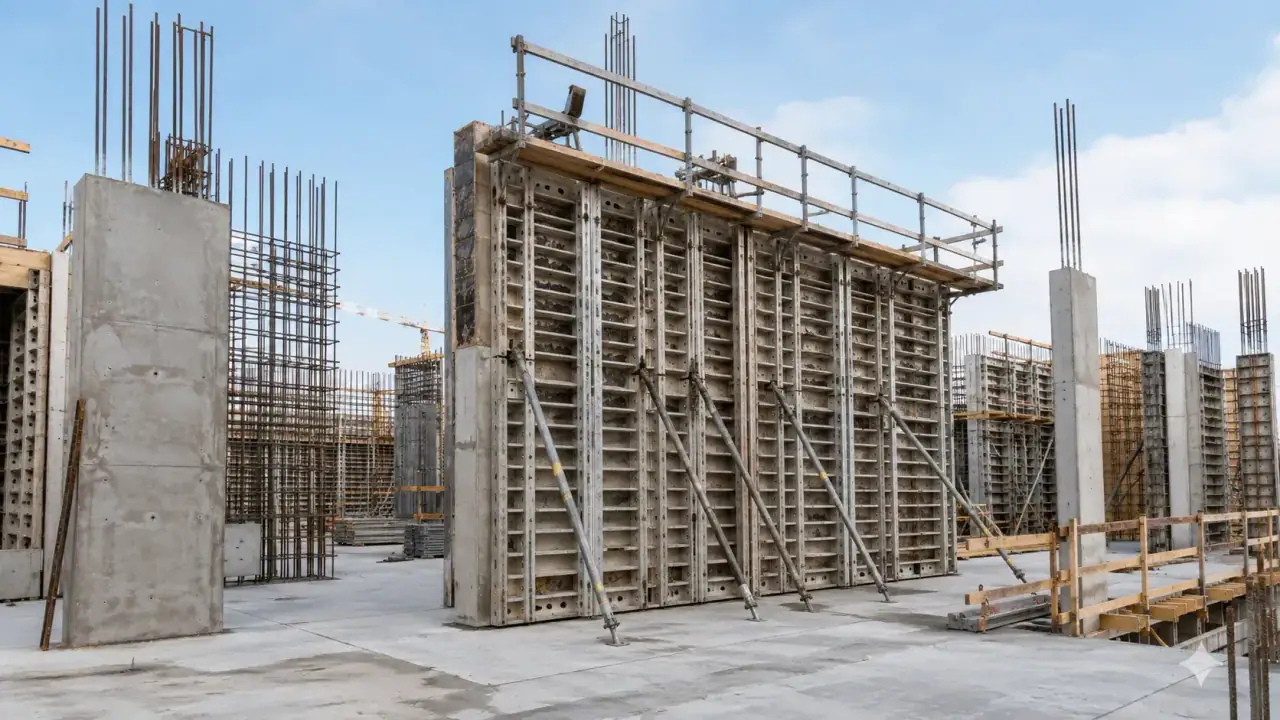
Cast-in-place concrete is usually best when geometry is irregular, continuity matters, or the structure must adapt closely to site conditions. Precast is often faster on site and more predictable when components repeat and crane access is available. Total installed cost depends on design repetition, plant lead time, transportation, lifting, connections, formwork, and schedule value.
By Harrowgate Group
Last updated: July 24, 2026
The right comparison is a whole-system comparison, not the price of a cubic metre. Owners should compare design, fabrication, temporary works, transport, cranes, erection, connections, fire stopping, finishes, weather risk, and the value of earlier enclosure or occupancy.
Cast-in-place vs precast concrete: which is right for your project?
| Decision point | Cast-in-place | Precast |
|---|---|---|
| Site speed | Form, reinforce, pour, cure, strip | Rapid erection after fabrication |
| Geometry | Highly adaptable | Best with repetition and standardization |
| Weather exposure | Placement and curing need protection | Plant production limits casting weather exposure |
| Access | Needs formwork and placing access | Needs delivery route, staging, and crane reach |
| Change tolerance | Some field adaptation before pour | Late changes can disrupt fabrication |
| Finish | Field-formed variation | Controlled plant finishes |
What affects the cast-in-place versus precast decision most?
Repetition
Repeated wall panels, beams, columns, stairs, hollowcore, or utility structures improve precast economics because mould and engineering effort are reused.
Crane and delivery logistics
Urban streets, overhead wires, turning radii, laydown space, pick weights, and crane position can determine whether precast is practical.
Structural continuity and waterproofing
Cast-in-place systems can reduce joints, while precast relies on detailed connections and seals that must be coordinated.
Lead time versus site time
Precast moves work into design and plant fabrication; cast-in-place performs more work on site. The critical path decides which advantage matters.
What do Ontario rules and current data say?
The Canadian Precast Prestressed Concrete Institute says total precast can shorten some project schedules by six to eight weeks compared with steel and by more compared with cast-in-place systems, while noting that fabrication can overlap site preparation. Source: Canadian Precast Prestressed Concrete Institute, Total Precast guidance, accessed July 2026.
Statistics Canada’s first-quarter 2026 index recorded a 2.9 percent annual increase in Toronto non-residential construction prices, making schedule and procurement assumptions important in current comparisons. Source: Statistics Canada Building Construction Price Index, first quarter 2026.
How should you plan the cast-in-place versus precast decision?
- Define performance requirements. Confirm spans, loads, fire resistance, exposure class, waterproofing, vibration, finish, tolerances, and future adaptability.
- Develop both logistics plans. Map formwork and pours for cast-in-place, then transport, staging, crane picks, bracing, and connections for precast.
- Compare complete schedules. Include design approvals, shop drawings, fabrication, foundations, curing, erection, enclosure, and follow-on trades.
- Price the interfaces. Assign responsibility for embeds, bearings, grouting, welding, sealants, fire stopping, tolerances, and survey control.
What problems should owners watch for?
- Choosing too late: A structural system change after design development can force redesign, new coordination, and lost procurement time.
- Ignoring tolerances: Precast connections and field-built foundations must meet at real dimensions, not ideal drawings.
- Counting erection without fabrication: Fast site assembly does not erase shop drawing, mould, production, curing, storage, and shipping lead time.
For the cast-in-place versus precast decision, Harrowgate Group’s trust baseline is 20 years in business, licensed, insured, and WSIB-covered.
Frequently asked questions
Is precast always cheaper than cast-in-place?
No. Precast benefits from repetition, controlled production, and fast erection, but transport, cranes, connections, and custom moulds can outweigh those benefits on small or irregular projects.
Is precast always faster?
It is often faster on site, but the total schedule must include design, shop drawings, approvals, fabrication, and delivery.
Which system works better in winter?
Precast production occurs in controlled plant conditions and erection can continue in many winter conditions. Cast-in-place work can also proceed with suitable mix, protection, heat, curing, and monitoring.
Which has fewer joints?
Cast-in-place systems can provide greater continuity. Precast has intentional joints and connections that require careful structural and envelope detailing.
Can the two systems be combined?
Yes. Many projects use cast-in-place foundations or cores with precast floors, stairs, walls, beams, or site structures.
Who should make the decision?
The owner, architect, structural engineer, contractor, precaster, and key logistics partners should compare systems early, before dimensions and interfaces become fixed.
What is the next step?
Harrowgate Group can coordinate commercial concrete foundations, bridge and structural concrete, and site excavation. Request a quote to compare the systems against your drawings and schedule.
Get a quote for your project
Tell us about the site, the scope, and your timeline. We review it and reply with the next step.