
Built to spec
Built to your engineered drawings, survey, and the real site conditions, not a one-size-fits-all approach forced to fit.
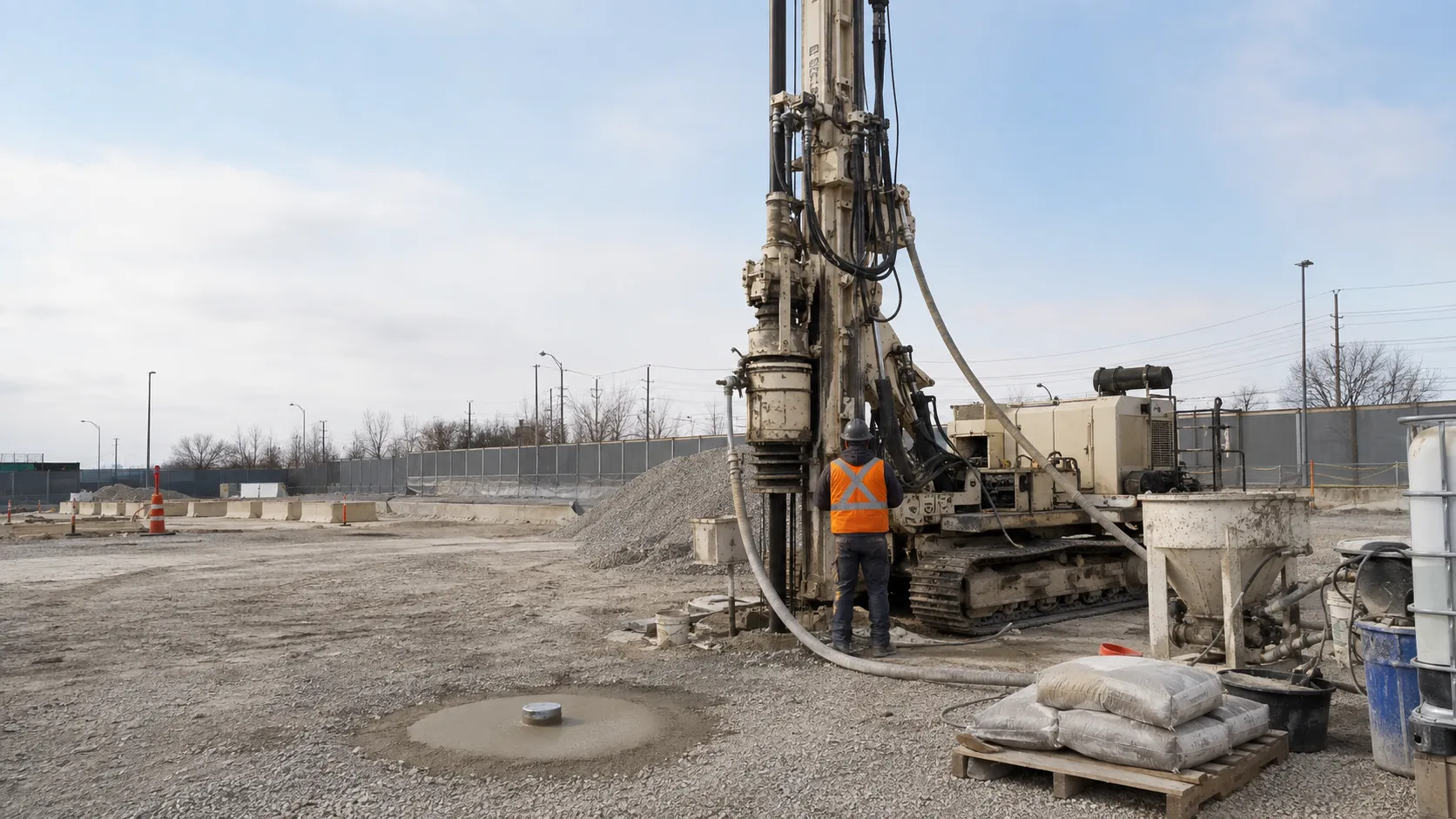
We locate, assess, plug, seal, document, and restore monitoring wells and test holes across Toronto, the GTA, and Ontario, removing unused subsurface pathways in accordance with Ontario Wells Regulation requirements for commercial, industrial, municipal, and heavy civil sites.
Tell us what you need and we’ll get you a quote. Licensed, insured & WSIB-covered · Free, no-obligation quote & on-site assessment.
Licensed, insured & WSIB-covered · Free, no-obligation quote & on-site assessment.
Built to your engineered drawings, survey, and the real site conditions, not a one-size-fits-all approach forced to fit.
Durable materials and methods chosen for the load, traffic, and environment on site.
Send specs, drawings, or photos and get a free, no-obligation site visit and estimate with no guesswork.
Installation and site work completed in accordance with Ontario requirements.
Well decommissioning and abandonment permanently plug and seal a monitoring well or test hole so it cannot transmit surface water, groundwater, gas, or contaminants between formations. Harrowgate performs compliant closure directly for Toronto and GTA properties when monitoring ends, redevelopment advances, or a well becomes damaged.
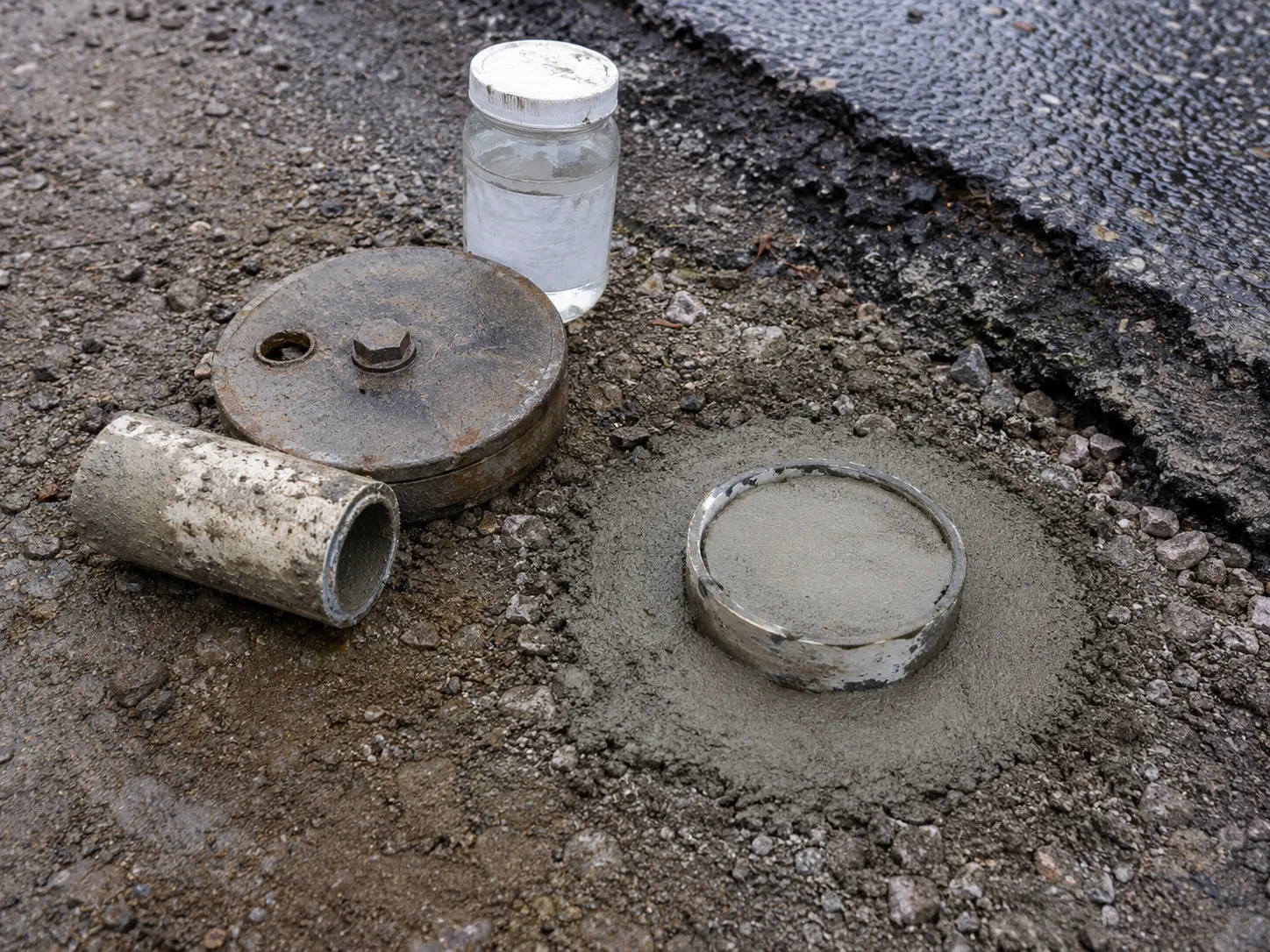
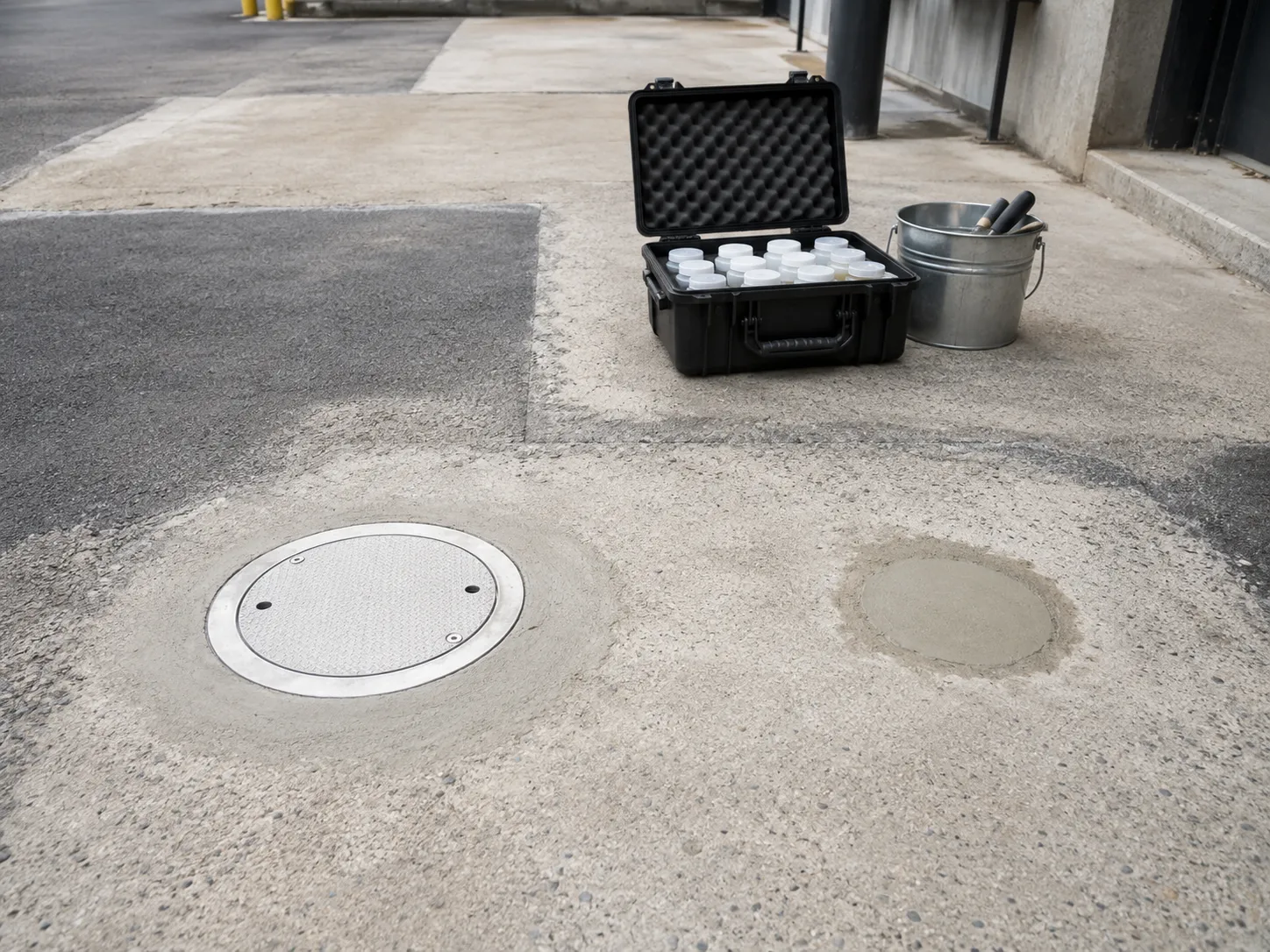
We review records and inspect the site, protect the work area, remove pumps, tubing, debris, and accessible obstructions, measure the well, place the required abandonment barrier from the bottom upward, address casing and annular space in sequence, remove surface structures, seal the upper zone, and stabilize the disturbed ground.
Placement uses tremie or another controlled method that avoids free-fall segregation and bridging. Barrier volume is compared with calculated borehole volume, and unexpected losses are investigated. Reg. 903 procedures address removal of casing and screen during sealing, cement or concrete where required, below-grade structures, and the upper two metres of the opening. The final surface is patched to match asphalt, concrete, soil, or landscaped conditions. Tags and well records are handled according to applicable reporting requirements.
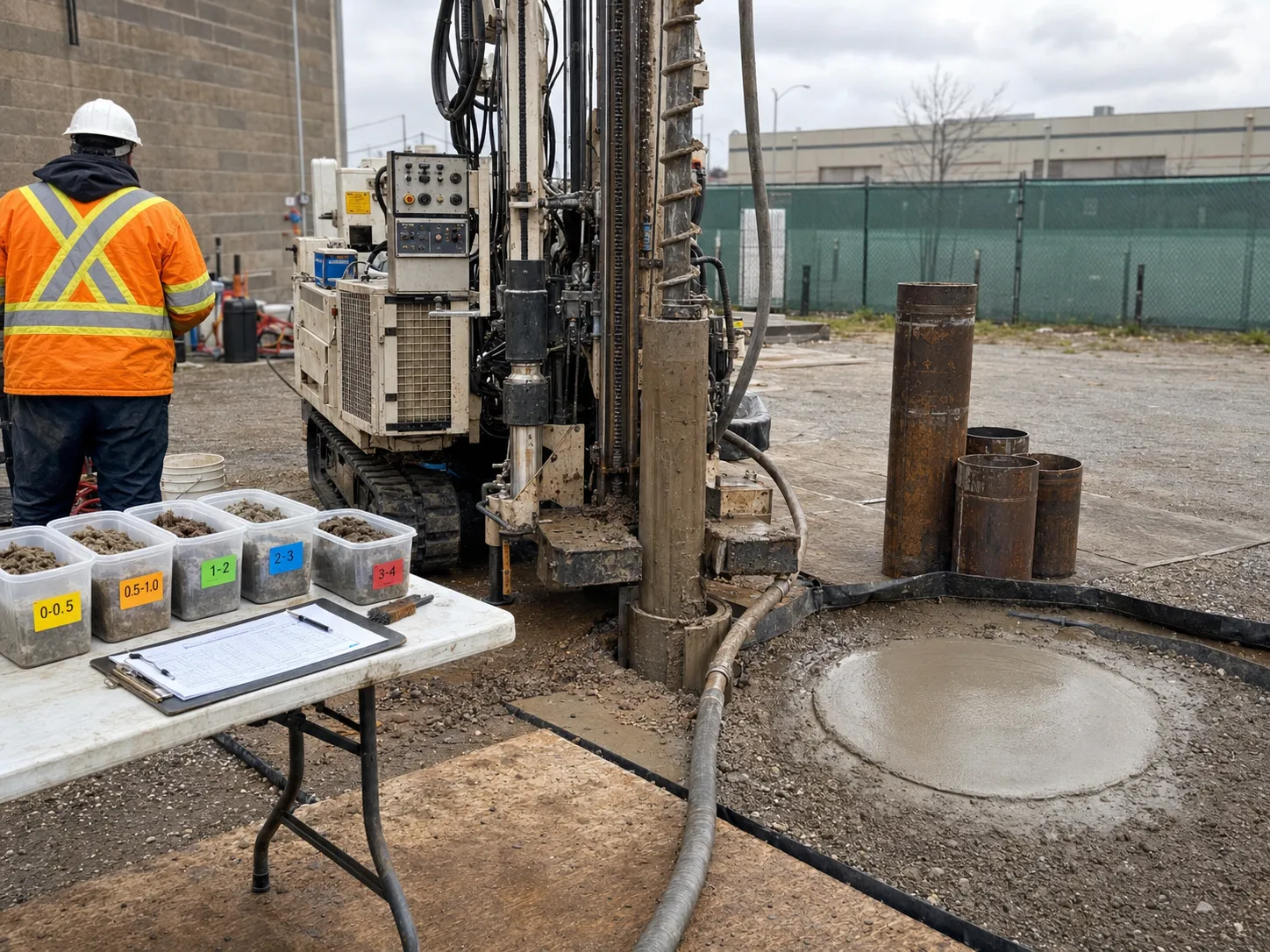
Well abandonment follows R. R. O. 1990 Reg. 903 and Ontario’s test-hole and dewatering-well guidance, including the prescribed sequential procedure, appropriate expertise, approved barrier materials, tag return, records, and surface stabilization unless a specific exemption or complete-excavation provision applies. The current well condition determines the detailed method.
Ontario guidance identifies nine sequential abandonment steps, beginning with safeguarding and returning the well tag where present, then removing equipment and debris, plugging and sealing, managing casing, removing subsurface structures, sealing the upper two metres, and stabilizing the area. A tag removed during abandonment is returned to the Director within 30 days. Record exemptions can apply to certain shallow works or wells abandoned within 30 days of structural completion, but we confirm applicability rather than assuming no record is needed.
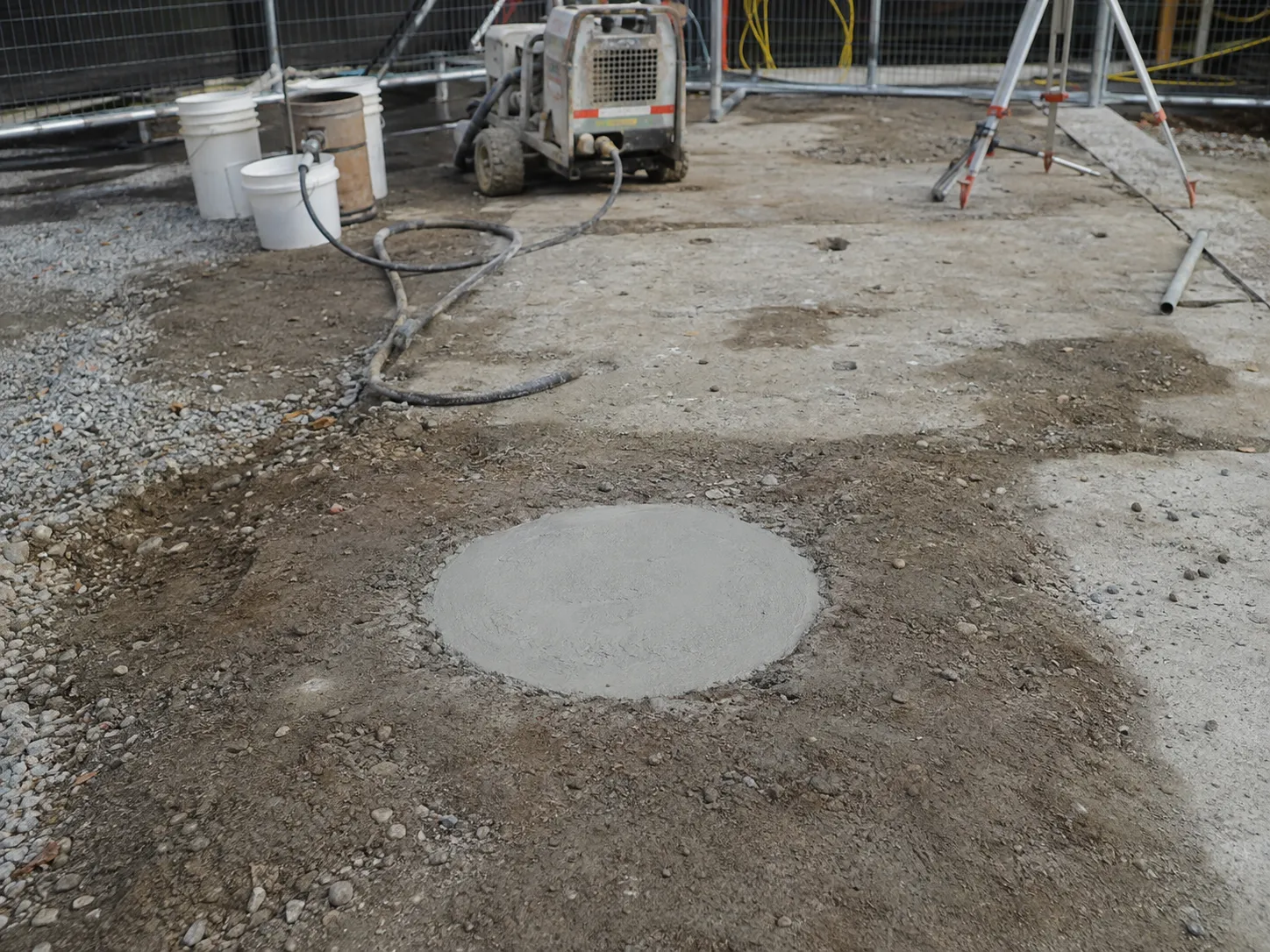
Abandonment fails when grout bridges above a void, casing is cut and loosely filled, screen and annulus remain connected, contaminated water is displaced at surface, the wrong well is closed, or no record links the work to the property. We prevent this through verification, measured placement, and documentation.
Historical wells may be buried beneath pavement, hidden inside monuments, or mislocated on old plans. We use records, survey, utility methods, and careful excavation to establish identity. A collapsed screen or casing can require overdrilling or a revised method so the barrier reaches the intended depth. Flowing wells demand controlled pressure and material placement. We contain removed water and sediment pending characterization. The project is notified when field depth, diameter, or construction differs because material calculations and regulatory records must reflect actual conditions.
Planning well decommissioning and abandonment? Talk it through with our team.
Decommissioning is required when a monitoring well is no longer used or maintained for future use, is in disrepair, creates a hazard, conflicts with excavation or construction, or must close under an environmental program. It is common during redevelopment, remediation closure, tank removal, and facility decommissioning.
Wells should be addressed before demolition, mass excavation, or paving makes them difficult to find. A future plan to excavate the area does not justify leaving an unused well open until that work occurs. Where an excavation will remove the entire well, Reg. 903 provides a distinct complete-excavation approach with applicable licensing, tag, and record duties. We build a well inventory and closure schedule so active monitoring points are protected while obsolete points are removed in the correct phase.
Have drawings for well decommissioning and abandonment? Send them over and we will scope it.
Under Reg. 903, a test hole or monitoring well generally must be abandoned when it is no longer used or maintained for future use, is not practical to repair, creates a hazard, or meets another prescribed abandonment condition. The owner should assess unused wells promptly rather than waiting for future redevelopment.
No. Soil and drill cuttings do not form an acceptable abandonment barrier and can leave connected voids. The applicable Reg. 903 procedure uses suitable sealing materials placed in sequence to block movement through the well and annulus. Casing, screen, surface structures, tags, and records must also be addressed.
Useful records include the original well record, tag number, coordinates, ground and casing elevations, total depth, diameters, casing and screen intervals, filter pack, seals, geology, repairs, and recent condition. Where records are incomplete, we measure and inspect the well and document assumptions before selecting the method.
If a well tag is present, Ontario’s abandonment sequence requires it to be removed and returned to the Director within 30 days after removal. The tag number is linked to the abandonment documentation. Tags should not be discarded, buried, or removed from an active well without applicable authorization.
Yes, when work carried out for another purpose removes the entire well, Reg. 903 provides a complete-excavation pathway. Applicable well-contractor or exemption provisions, tag return, and records still need attention. If the well is not fully excavated, the prescribed sequential plugging and sealing procedure applies.
We measure initial depth, use a controlled placement method such as tremie delivery where appropriate, track material volumes and elevations, and compare actual take with calculated borehole and casing volume. Unexpected loss or premature refusal is investigated because a grout bridge above an open interval does not complete abandonment.
Drivers include well count, depth and diameter, construction records, casing material, access, surface completion, collapsed components, flowing conditions, contamination, barrier volume, overdrilling needs, traffic control, water handling, pavement restoration, tags, and records. Buried or inaccurately mapped wells require additional location and exposure work.
Still have a question about well decommissioning and abandonment? Ask our team directly.
Commercial and heavy-civil construction delivered for developers, contractors, property managers, and municipalities.
Send drawings, a site plan, or a description of the scope. Harrowgate Group is licensed, insured, and WSIB-covered.
Licensed, Insured & WSIB-Covered, work managed and documented on every job
Tell us what you need and we’ll get you a quote. Licensed, insured & WSIB-covered · Free, no-obligation quote & on-site assessment.
Companies We've Worked With
Harrowgate Group delivers commercial and heavy-civil construction for developers, contractors, institutions, municipalities, and property groups across Ontario.
 Popeyes
  Tim Hortons
  Subway
  University of Toronto
  Madison Group
  RioCan
  Women's College Hospital
  Starbucks
  Mazda
Mazda  TD Bank
  City of Toronto Popeyes Tim Hortons Subway University of Toronto Madison Group RioCan Women's College Hospital Starbucks Mazda TD Bank City of Toronto
 Three fields. We reply with the next step.
Thanks, we will call you shortly.
Press Esc to close
Marcus
Project Coordinator